Historic Sites in Istanbul 2026
Palaces, mosques, museums, cisterns and historic bazaars. Every location has been individually verified; opening hours and entry details are on each place page.
61 places
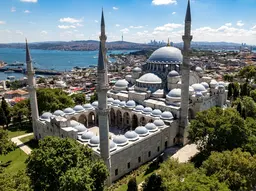
Süleymaniye Mosque
Mimar Sinan's Istanbul masterpiece and resting place of Suleiman the Magnificent and Hürrem Sultan. Free entry.
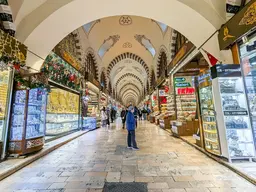
Spice Bazaar Istanbul (Mısır Çarşısı)
A covered market built in the 1660s as part of the New Mosque complex in Eminönü. Spices, Turkish delight, nuts and coffee, under the same vaults.
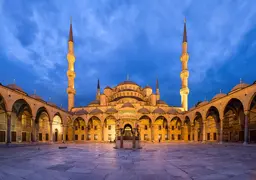
Sultan Ahmet Mosque (Blue Mosque)
Istanbul's icon with six minarets and thousands of blue Iznik tiles. Entry is free.
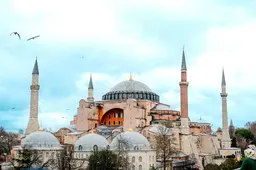
Hagia Sophia
A monumental building completed in 537, used as a cathedral in Byzantine times and a mosque under the Ottomans; today it is once again open for worship as a mosque.
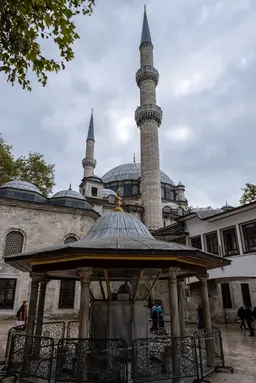
Eyüp Sultan Mosque
One of the important pilgrimage sites in the Islamic world, built around the tomb of Halid bin Zeyd Abu Ayyub al-Ansari.
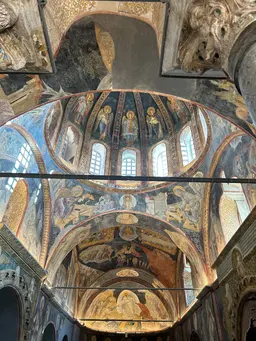
Kariye Mosque / Kariye Museum
A historic building famous for its extraordinary Byzantine mosaics and frescoes, formerly known as the Chora Church.
Topkapı Palace
The main residence and seat of government of Ottoman sultans from the 15th to the 19th century, now a museum complex.
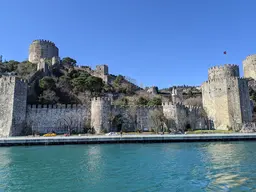
Rumeli Fortress
A fortress built in 1452 by Mehmed the Conqueror at the narrowest point of the Bosphorus, before the conquest of Istanbul.
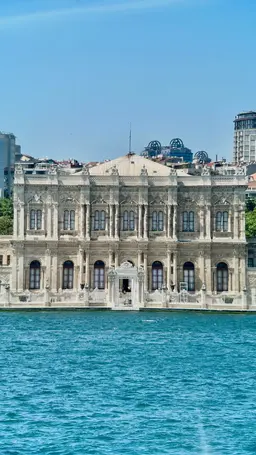
Dolmabahçe Palace
Completed in 1856, this Bosphorus-side palace reflects the Ottoman Empire's era of Westernization.
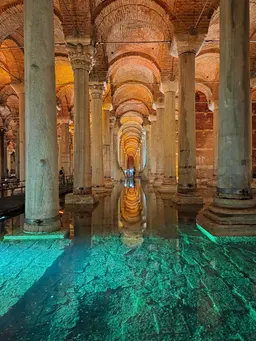
Basilica Cistern
A 336-column Byzantine-era underground cistern built under Emperor Justinian in the 6th century.
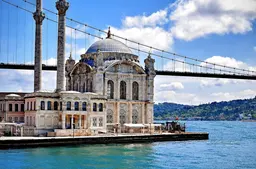
Büyük Mecidiye Mosque / Ortaköy Mosque
The common name for the Büyük Mecidiye Mosque, built in neo-baroque style in 1856 right beside the Bosphorus Bridge.
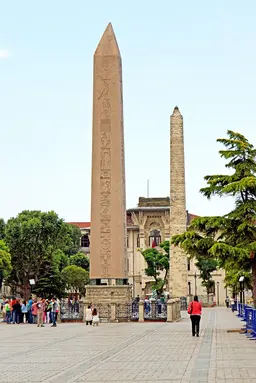
Sultanahmet Square (Hippodrome)
Built over the Byzantine-era Hippodrome where chariot races were once held, this square holds the Obelisk of Theodosius, the Serpent Column and the Walled Obelisk side by side.
Bağdat Avenue
The walk heads toward Erenköy — take in the shop windows and the flow of people.
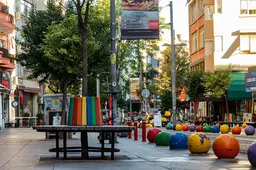
Bahariye Caddesi
One of Kadıköy's main pedestrian streets, Bahariye starts near the Bull Statue at Altıyol and runs past the Süreyya Opera House. A lively street for walking and shopping, lined with cafés and shops and busy all day.
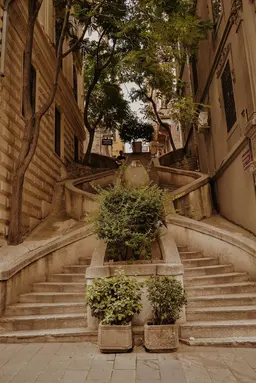
Kamondo Stairs
A curving 19th-century stone staircase in Karaköy that links Banks Street with Galata. It bears the name of the Camondo banking family.
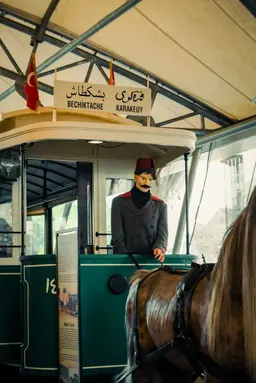
Rahmi M. Koç Museum
Turkey's first industrial museum; a large indoor-outdoor collection full of old ships, trains, cars and aircraft.
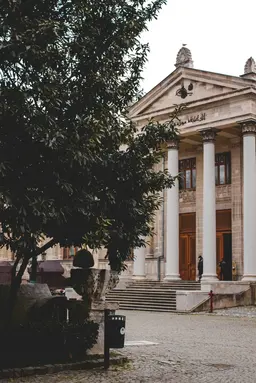
Istanbul Archaeology Museums
Home to one of the world's richest archaeology collections, a complex of three museums founded in Ottoman times.
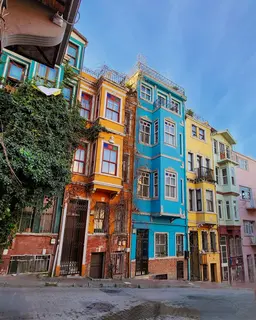
Balat
A historic Golden Horn neighborhood known for its colorful Ottoman-era houses, narrow streets and multicultural heritage.
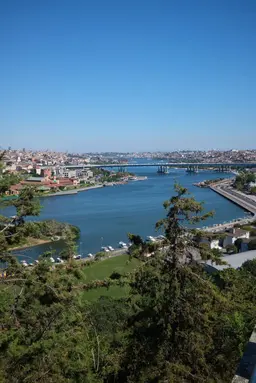
Pierre Loti Hill
Named after the French writer Pierre Loti, a historic hilltop café and viewpoint overlooking the Golden Horn.
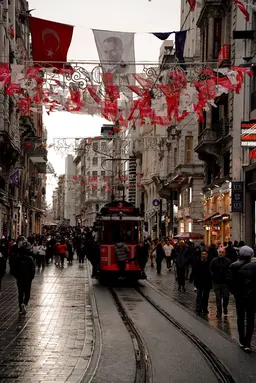
İstiklal Avenue
Istanbul's most famous pedestrian street, stretching from Taksim to Tünel, lined with 19th-century buildings, a nostalgic tram and arcades.
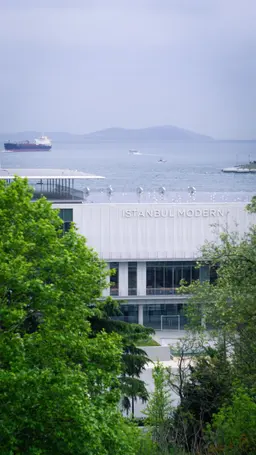
Istanbul Modern
Turkey's first modern and contemporary art museum; moved into its new Renzo Piano-designed building in 2023.
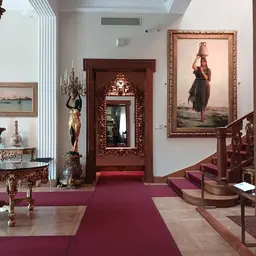
Sakıp Sabancı Museum
A private museum in the historic Atlı Köşk mansion on the Bosphorus, known for its Ottoman calligraphy and painting collections.
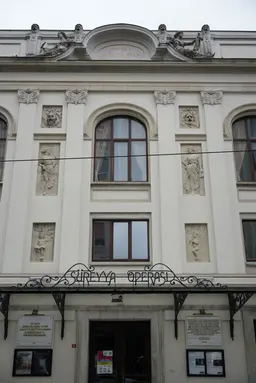
Süreyya Opera House
Built in 1927, the Asian side's first musical theatre building, now used as an opera stage.
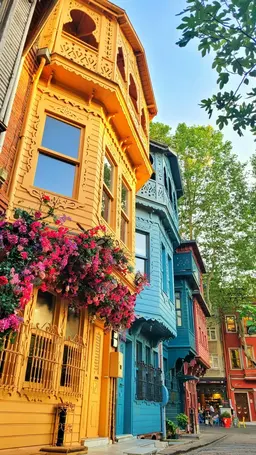
Kuzguncuk
A historic Bosphorus neighborhood known for its colorful wooden houses, where a mosque, a church and a synagogue stand side by side on the same street.
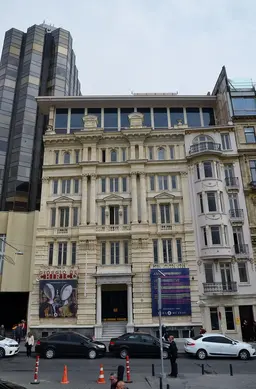
Pera Museum
A private art museum belonging to the Suna and İnan Kıraç Foundation, known for Osman Hamdi Bey's famous painting "The Tortoise Trainer".
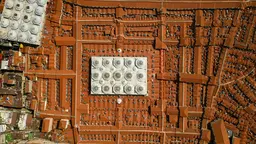
Grand Bazaar
Construction began in 1461; one of the world's oldest and largest covered markets, with over 60 streets.
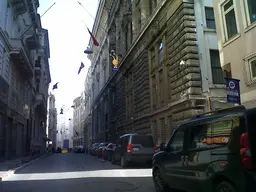
Bankalar Caddesi (Banks Street)
Voyvoda Avenue in Karaköy, the historic street that was the country's financial centre in the late Ottoman and early Republican years.
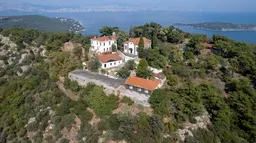
Monastery of St George (Aya Yorgi), Büyükada
A Greek Orthodox monastery on Yücetepe, Büyükada's highest hill at 202 metres. Known for its wishing tradition: a silent climb and threads tied to the trees.
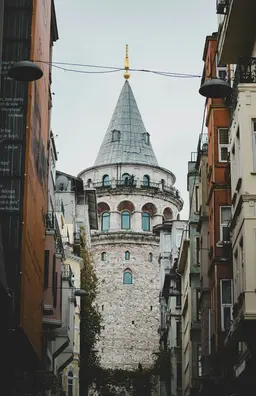
Galata Tower
A mid-14th-century Genoese stone tower in Istanbul's Galata district, now a museum with a 360-degree view over the Golden Horn and the Bosphorus.
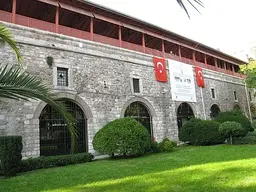
Museum of Turkish and Islamic Arts
Housed in Ibrahim Pasha Palace, a museum with one of the Islamic world's most important collections of manuscripts, carpets and calligraphy.
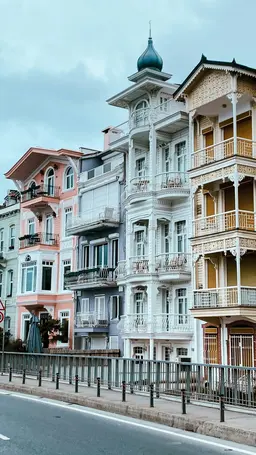
Arnavutköy
A historic Bosphorus district between Ortaköy and Bebek, lined along the shore with 19th-century wooden Greek and Ottoman waterfront mansions.
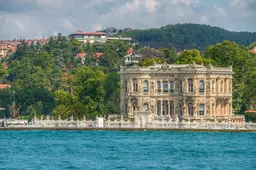
Beylerbeyi Palace
A 19th-century Ottoman summer palace on the Bosphorus, completed in 1865 under Sultan Abdülaziz.
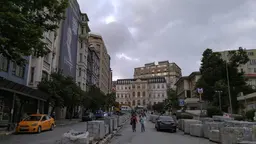
Meşrutiyet Avenue
An elegant avenue lined with historic buildings, leading toward Pera.
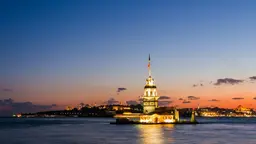
Maiden's Tower
A small tower on a rocky islet off Üsküdar, once a lighthouse and quarantine station, reopened as a museum in 2023.
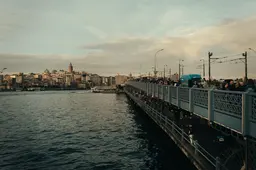
Galata Bridge (Galata Köprüsü)
The bridge across the Golden Horn between Eminönü and Karaköy. Fishermen line the upper deck, restaurants fill the lower level; today's bridge opened in 1994.
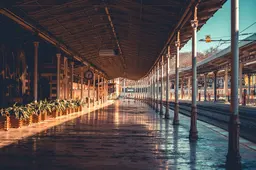
Sirkeci Terminal
Opened in 1890, Sirkeci Station in Istanbul was the end of the line for the Orient Express from Paris. Today it holds a small railway museum and a historic restaurant.
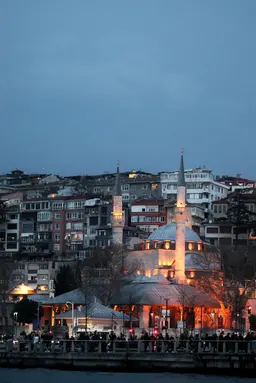
Mihrimah Sultan Mosque (Üsküdar)
A 16th-century mosque built by architect Sinan near the Üsküdar pier for Mihrimah Sultan, daughter of Süleyman the Magnificent.
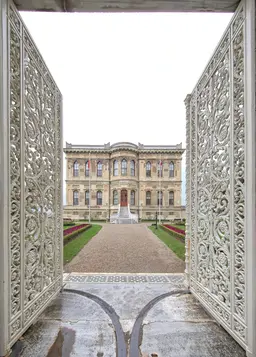
Küçüksu Pavilion
An elegant Ottoman hunting lodge on the Bosphorus, built in 1857 by architect Nikoğos Balyan for Sultan Abdülmecid.
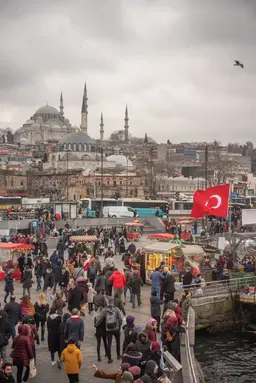
Eminönü Square
The historic peninsula's gateway on the Golden Horn: ferry piers, the Spice Bazaar, Galata Bridge and fish sandwiches.
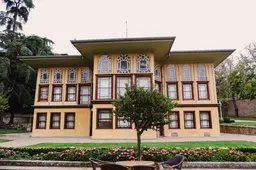
Aynalıkavak Pavilion
In Hasköy on the Golden Horn shore, the only surviving pavilion of the old Shipyard Garden palace used by Ottoman sultans; the site where the 1784 Treaty of Aynalıkavak was signed.
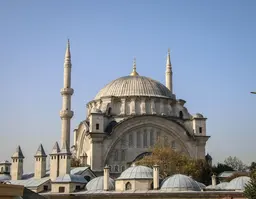
Nuruosmaniye Mosque
One of the first examples of Ottoman baroque architecture, completed in 1755 and adjoining one of the Grand Bazaar's main gates.
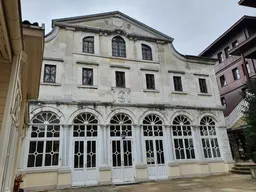
Greek Orthodox Patriarchate of Fener
The Church of St. George complex, home since 1601 to the Ecumenical Patriarchate, spiritual center of the Orthodox world.
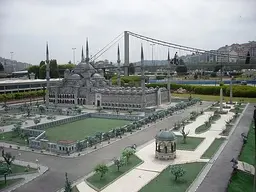
Miniatürk
An open-air park displaying 1:25 scale miniatures of over 135 historic structures from Turkey and the Ottoman geography.
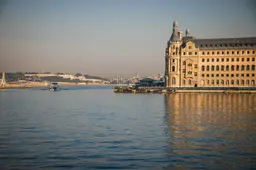
Haydarpaşa Railway Station (Haydarpaşa Garı)
A historic station on the Kadıköy waterfront, once the Istanbul terminus of the railway to Anatolia. Regular trains stopped years ago and the building is under restoration.
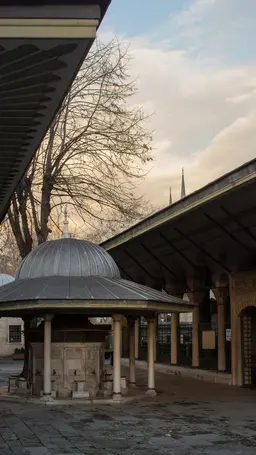
Kilic Ali Pasha Mosque
Mimar Sinan's 1580 mosque in Tophane, built for the Ottoman grand admiral Kılıç Ali Pasha, with a restored hamam that is open again.
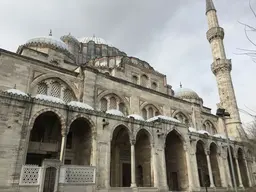
Fatih Mosque
A complex mosque built between 1463-1470 in the name of Mehmed the Conqueror, on the site of the Byzantine Church of the Holy Apostles.
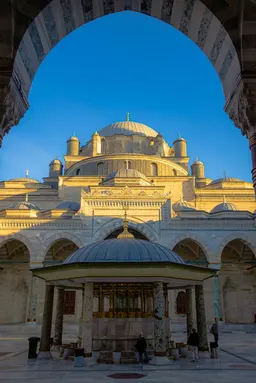
Bayezid Mosque
Built between 1501-1506 under Bayezid II, one of Istanbul's oldest large Ottoman mosques.
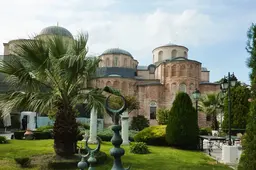
Molla Zeyrek Mosque
Made up of two Byzantine churches and a chapel, the second-largest surviving Byzantine church complex in Istanbul after Hagia Sophia, and a UNESCO World Heritage site.
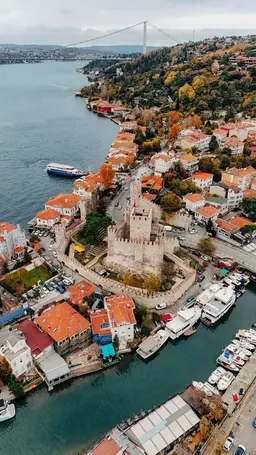
Anadolu Hisarı
A small fortress built in 1395 by Yıldırım Bayezid, one of the oldest Ottoman structures on the Asian side.
Rıza Paşa Slope
A steep, busy historic trading slope lined with hans and small tradesmen's shops, climbing from Tahtakale up to Süleymaniye.
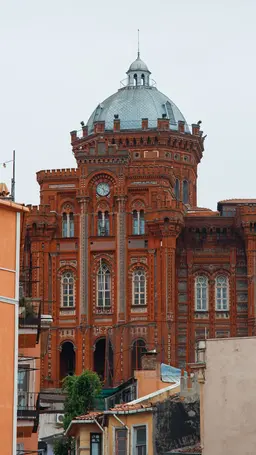
Phanar Greek Orthodox College (the Red School)
The red-brick school building on the slope of Fener, looking over the Golden Horn. The school traces its roots to 1454 and still teaches today; locals call it the Red School.
Yıldız Palace
A palace complex spread across the slopes of Beşiktaş inside Yıldız Park, from where Abdulhamid II ruled for 33 years.
Beykoz Mecidiye Pavilion
A white marble pavilion on the Asian shore of the Bosphorus near Hünkâr İskelesi, a gift from Egypt to the sultan.
St Andrew Rooftop Church (Aya Andrea)
A small Russian Orthodox church hidden on the rooftop of a five-storey brick han in Karaköy.
Yedikule Fortress
A seven-towered Ottoman fortress at the Marmara end of the land walls, enclosing the Byzantine Golden Gate.
Istanbul Aquarium
A 1.2 km themed route from the Black Sea to the Pacific on the Florya shore, one of the city's best indoor outings for families.
Crimean Memorial Church (Christ Church)
A stone Gothic church rising unexpectedly from the narrow streets of Galata, built in memory of the Crimean War.
Çakmakçılar Yokuşu
A trading slope running from the Grand Bazaar down towards the Golden Horn, lined with historic hans and workshops.
Maslak Pavilions
A cluster of Ottoman pavilions in a large garden hidden among the towers of Maslak, known for its tropical greenhouse.
Ihlamur Pavilion
Two elegant pavilions in a hidden garden in the middle of Beşiktaş, built as a retreat for Sultan Abdulmecid.
Underground Mosque (Yeraltı Camii)
One of Istanbul's most unusual mosques, set in a low-vaulted Byzantine cellar just behind the Karaköy waterfront.